
How do I Claim Exemption from Garnishment in Michigan?
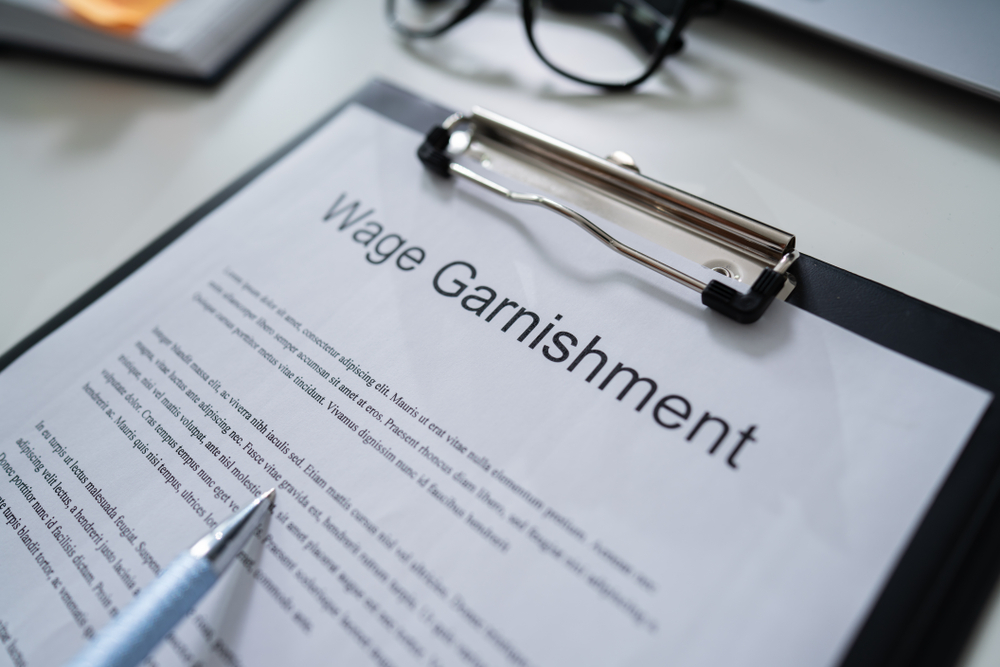
Facing wage garnishment or bank account garnishment can be overwhelming, especially when you’re already struggling financially. If you live in Michigan, you may be entitled to claim exemptions that protect a portion—or sometimes all—of your money from creditors. In Michigan, you can claim exemption from garnishment by filing an objection with the court within 14 […]
Chapter 13 Payment Plan Example (Breakdown)

Trying to wrap your head around a Chapter 13 bankruptcy plan? You’re not alone. It’s one of those things that sounds way more complicated than it actually is. At its core, it’s just a structured way to pay back some (or all) of your debt over time based on what you can actually afford. In […]
What Happens If Chapter 7 Is Denied?
Many clients ask: What happens if a Chapter 7 case is denied or dismissed? If your Chapter 7 bankruptcy is denied, your debts are not discharged, and creditors can continue or resume collection actions. Depending on the reason for denial, you may be able to refile, convert to another bankruptcy chapter, or appeal the court’s […]
33 Common 341 Meeting Of Creditors Questions

If you’re heading into a 341 meeting of creditors and feeling nervous, you’re not alone. It’s one of the most talked-about parts of the bankruptcy process, mostly because people aren’t sure what to expect. But the truth is that it’s usually short, pretty straightforward, and way less scary than it sounds. This meeting gives the […]
What Happens if You Don’t Pay Medical Bills in California?
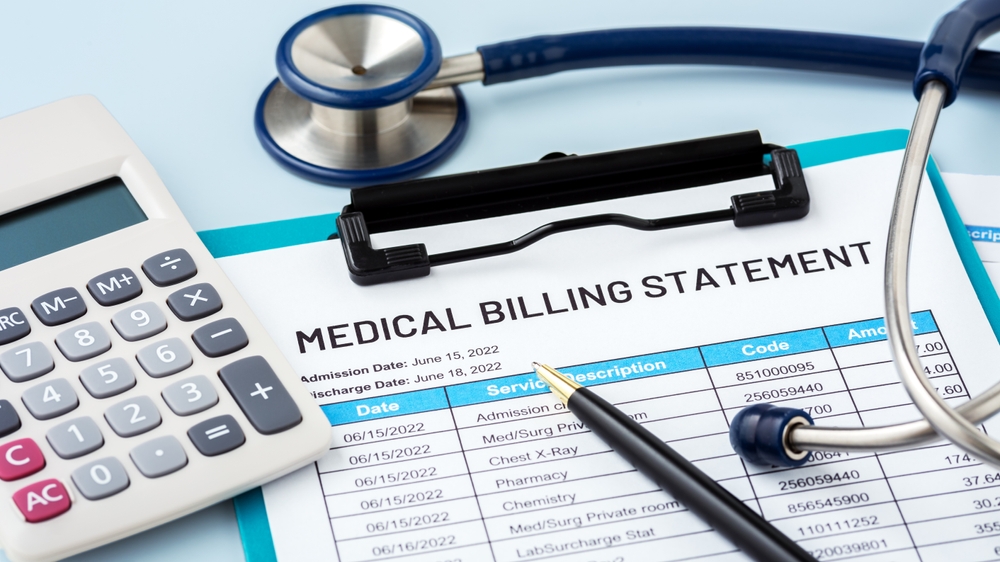
You may be wondering: what happens if you don’t pay medical bills in California?If you don’t pay medical bills in California, providers may send the debt to collections, report it to credit bureaus, sue for a judgment, or pursue wage garnishment and bank levies to recover payment.
Who Qualifies for Student Loan Forgiveness in California?
In California, borrowers may qualify for student loan forgiveness through the Public Service Loan Forgiveness (PSLF) program, Income-Driven Repayment (IDR) plans, or the California State Loan Repayment Program (SLRP), among others.
How Long After Chapter 7 Discharge Is the Case Closed?
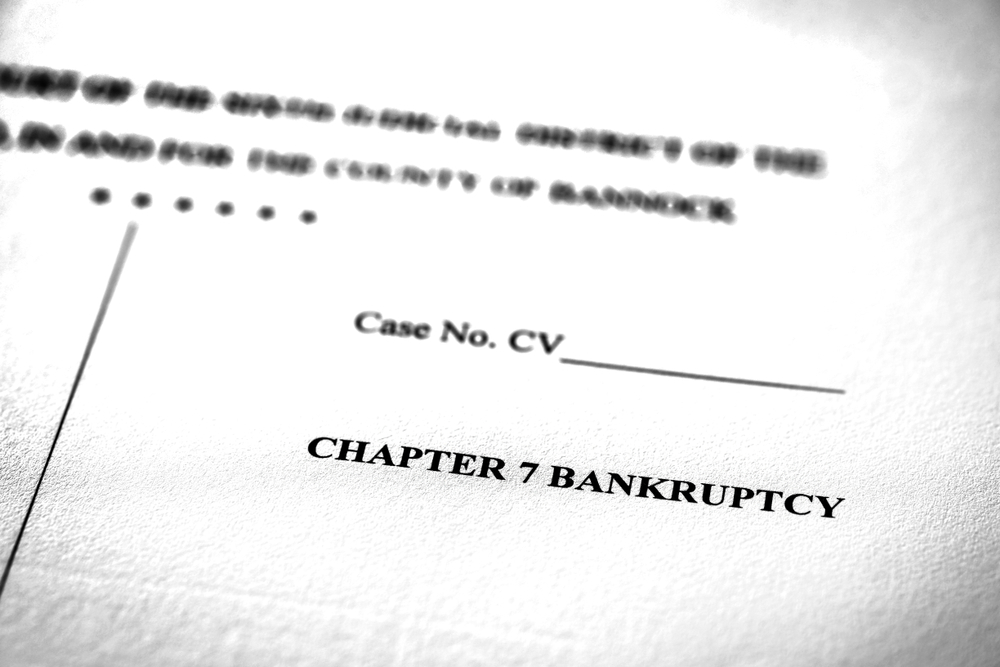
Filing for Chapter 7 bankruptcy can provide significant financial relief, but many clients often ask: How long after receiving a Chapter 7 discharge does the bankruptcy case officially close? Most Chapter 7 bankruptcy cases close within a few weeks to a few months after discharge. However, the exact timing depends on factors such as trustee […]
Will You Lose Your Home If You File for Bankruptcy?

Filing for bankruptcy can feel overwhelming, especially if you are worried about losing your home. So, do you lose your home if you file for bankruptcy? In most cases, you will not lose your house when filing bankruptcy because federal and state laws provide exemptions that protect your home’s equity, and Chapter 13 allows you […]
How Long After Chapter 7 Can You File Chapter 13 in Michigan
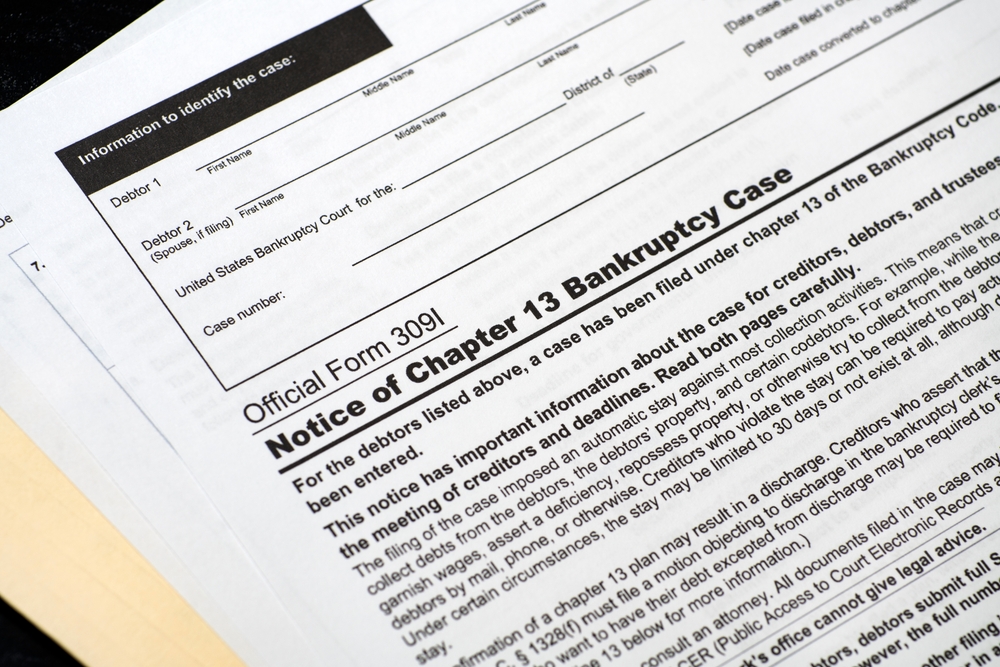
Filing for bankruptcy again in Michigan can be a critical step in regaining financial stability. If you are asking, How long after Chapter 7 can you file Chapter 13? In Michigan, you can file Chapter 13 bankruptcy immediately after a Chapter 7 discharge or dismissal. However, to receive a Chapter 13 discharge, you must wait […]
Can Personal Loans Be Included in Bankruptcy in California?

Yes, personal loans can be included in bankruptcy in California, and they are usually dischargeable. This includes personal loans from banks, credit unions, friends, family, or employers. Unsecured personal loans, which are loans not backed by collateral, are eligible for discharge in both Chapter 7 and Chapter 13 bankruptcies. Filing bankruptcy in California involves understanding the types […]