
Anaheim, California
When a creditor begins taking money from your paycheck, an existing debt can become an immediate household-budget problem. Losing part of your income may make housing, transportation, and other necessary expenses harder to manage.
Kostopoulos Bankruptcy Law helps individuals and families in Anaheim evaluate Chapter 7 and Chapter 13 bankruptcy when wage garnishment, creditor lawsuits, and overwhelming debt threaten financial stability.
The important questions are what collection action is underway, whether bankruptcy can stop it, and how the underlying debt may be resolved.
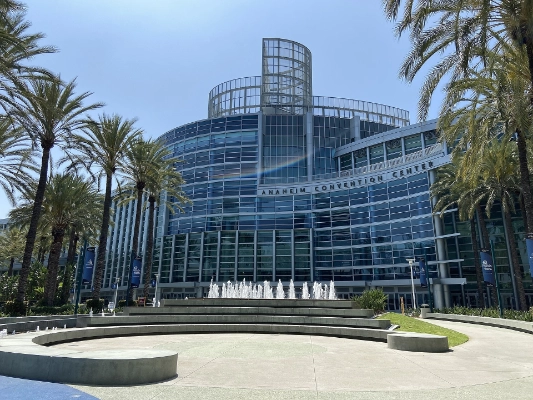
Troutfarm27.
Own work.
Licensed under
CC BY-SA 4.0.
Quick Answer
Can filing bankruptcy stop wage garnishment in Anaheim? Filing an eligible Chapter 7 or Chapter 13 bankruptcy case generally triggers the automatic stay, which stops many wage garnishments and other collection actions. However, certain obligations and proceedings are excepted, and previous bankruptcy filings may limit protection. Stopping future withholding is also different from recovering wages already taken or discharging the underlying debt.
Can Bankruptcy Stop Wage Garnishment in Anaheim?
Wage garnishment is a legal collection process in which part of a person’s earnings is withheld to satisfy a debt. For many consumer debts, a creditor generally must obtain a court judgment before using this remedy. Other obligations can follow different rules.
Bankruptcy may interrupt a covered garnishment, but an attorney needs to determine what kind of debt is being collected, what legal order is in place, and whether the automatic stay will apply.
| Collection Situation | What Bankruptcy May Change | What Needs Review |
|---|---|---|
| Consumer debt garnishment | An applicable automatic stay may stop future withholding. | Debt type, court order, filing history, and notice requirements. |
| Threatened garnishment | Filing before collection begins may prevent certain actions from proceeding. | Judgment status, deadlines, and eligibility. |
| Wages already withheld | Recovery may sometimes be possible, but is not automatic. | Amounts, dates, exemptions, and applicable recovery rules. |
| Child or spousal support | Certain collection methods are excepted from the stay. | Support order and applicable bankruptcy exceptions. |
| Tax-related withholding | Treatment depends on the obligation and collection activity. | Tax type, assessment dates, notices, and collection status. |
Important: A bankruptcy filing may establish legal protection, but an existing payroll garnishment can still require notice and administrative processing before deductions stop.
Stopping Garnishment Is Not the Same as Eliminating Debt
One of the most important distinctions is that collection protection, discharge, and repayment are separate parts of bankruptcy law.
Immediate Collection Protection
The Automatic Stay
Generally pauses many collection actions after an eligible filing, subject to important exceptions and limits.
Debt Resolution
The Discharge
May eliminate personal liability for qualifying debts once statutory requirements are satisfied. Not all debts are dischargeable.
Chapter 13 Resolution
The Repayment Plan
Provides a court-supervised way for eligible individuals to address certain debts while meeting required plan obligations.
A garnishment may stop while the case is pending, but the underlying debt must still be addressed through the appropriate bankruptcy process. Valid liens and some obligations may survive.
What If a Creditor Has Filed a Lawsuit or Obtained a Judgment?
A collection lawsuit may lead to a judgment that allows a creditor to pursue additional remedies. Bankruptcy can generally stay many covered lawsuits and judgment-collection efforts, but a judgment lien is not necessarily eliminated simply because the personal debt is discharged.
Before advising whether and when to file, an attorney should review the summons, judgment, garnishment order, and any pending deadlines.
Do not ignore legal paperwork. A bankruptcy consultation does not itself stop a lawsuit or collection action. Filing and the applicable legal protections are separate events.
Chapter 7 vs. Chapter 13 Bankruptcy in Anaheim
Both chapters generally offer automatic-stay protection, but resolving debts and protecting property require different approaches. The appropriate chapter depends on income, assets, debt types, and repayment needs.
Discharging Qualifying Debt
Chapter 7 Bankruptcy
Chapter 7 may help eligible individuals discharge many unsecured obligations, including qualifying credit card debt, medical bills, and personal loans.
Income eligibility, property exemptions, and possible nonexempt assets must be reviewed before filing.
Decision question: Would a discharge resolve the debts behind the collection problem, and what property issues must be addressed?
Structured Debt Repayment
Chapter 13 Bankruptcy
Chapter 13 may allow eligible individuals with regular income to address debts through a court-supervised repayment plan, generally lasting three to five years.
It may also help address qualifying mortgage or vehicle arrears while required ongoing payments continue.
Decision question: Can a feasible plan address the debt problem and any missed secured payments?
Can Bankruptcy Help Protect Your Home, Car, and Other Property?
Stopping a paycheck garnishment is only one part of evaluating bankruptcy. California exemptions, home or vehicle equity, secured creditor rights, and ongoing payment obligations also affect what happens to property.
Chapter 13 may offer a way for eligible borrowers to address certain missed secured payments through a repayment plan. Chapter 7 may discharge qualifying personal debts but generally does not remove valid liens solely because the debtor receives a discharge.
Before filing: Review property values, loan balances, exemptions, payment arrears, and the ability to maintain ongoing secured payments. Do not assume a temporary pause in collection guarantees permanent protection of collateral.
Why Bankruptcy and Private Debt Settlement Offer Different Protections
A private debt settlement company may try to negotiate reduced balances, but enrollment generally does not prevent a creditor from suing, obtaining a judgment, or pursuing lawful collection remedies.
Bankruptcy creates a federal court proceeding with enforceable protections, including the automatic stay in eligible cases and a potential discharge of qualifying debts. For someone whose wages are already being garnished, the availability of legal protection—not simply the promise of a reduced settlement—is an important distinction.
Where Are Anaheim Bankruptcy Cases Handled?
Anaheim is in Orange County, which is served by the Santa Ana Division of the U.S. Bankruptcy Court for the Central District of California. The court provides a filing-location search to confirm the division for a particular address.
Santa Ana Division — U.S. Bankruptcy Court
Ronald Reagan Federal Building and U.S. Courthouse
411 West Fourth Street
Santa Ana, CA 92701
411 West Fourth Street
Santa Ana, CA 92701
This is a federal courthouse, not a Kostopoulos Bankruptcy Law office.
Kostopoulos Bankruptcy Law serves California residents without claiming a physical Anaheim office. Ask the firm about consultation options and any required court participation.
What to Bring to a Bankruptcy Consultation
You do not need every financial record organized before calling. If collection activity is underway, the following information can help an attorney identify immediate issues and evaluate longer-term debt options.
✓ Garnishment notice, withholding order, or payroll statement showing deductions.
✓ Summons, judgment, creditor letters, and relevant dates.
✓ Recent income information and monthly living expenses.
✓ Credit card, loan, medical debt, and collection balances.
✓ Mortgage, vehicle loan, and missed-payment information.
✓ Property, savings, and prior bankruptcy filing details.
If you have an active deadline, bring that notice first. A timely legal review may matter more than having a complete list of every balance at the first consultation.
Why Work With Kostopoulos Bankruptcy Law?
Kostopoulos Bankruptcy Law helps individuals and families address serious debt problems in California and Michigan. Its consumer bankruptcy services include Chapter 7, Chapter 13, and legal guidance involving collection actions and property concerns.
The firm’s founder, Rita Kostopoulos, is a California-licensed attorney and has been identified by the firm as a Certified Consumer Bankruptcy Specialist through the American Board of Certification. Clients can review the firm’s background and discuss available representation before deciding whether to file.
Learn more about Kostopoulos Bankruptcy Law → and its California bankruptcy services →.
Frequently Asked Questions About Bankruptcy in Anaheim
These questions address garnishment timing, creditor judgments, bankruptcy eligibility, and what happens after a case is filed.
How quickly can bankruptcy stop wage garnishment?
The automatic stay generally takes effect when an eligible bankruptcy case is filed, but the creditor and payroll department may need notice and processing time to stop actual deductions. Exceptions and prior-filing limitations can apply.
Can I get garnished wages back after filing bankruptcy?
Sometimes, but recovery is not automatic. It depends on the timing and amount withheld, applicable exemptions, and other legal requirements. An attorney should examine the garnishment history.
Will bankruptcy eliminate a debt after a creditor obtains a judgment?
Some judgment debts are dischargeable, depending on the nature of the original obligation. Certain debts are excepted, and valid judgment liens may require separate analysis or action.
Can I file bankruptcy if I am still employed?
Yes. Employment does not disqualify someone from bankruptcy. Income, household circumstances, debt amounts, property, and the requirements of the selected chapter determine eligibility.
Do I have to visit a bankruptcy lawyer’s office in Anaheim?
No Anaheim office is represented here. Contact Kostopoulos Bankruptcy Law to confirm available consultation methods and whether any court appearances will be required.
Bankruptcy Resources for Anaheim Residents
Explore the legal issues that may affect your income, debt obligations, and decisions before filing.
Debt discharge, eligibility, and property exemptions.
Court-supervised repayment and certain overdue obligations.
How creditor litigation, judgments, and bankruptcy interact.
Wage garnishment, bank levies, and filing decisions.
Take the Next Step
Understand Your Options Before More Wages Are Withheld
If a creditor is garnishing your wages, pursuing a judgment, or threatening additional collection, a bankruptcy consultation can clarify possible protections and the steps required to address your debts.
Kostopoulos Bankruptcy Law helps Anaheim residents evaluate Chapter 7 and Chapter 13 bankruptcy through a free, confidential consultation.
We are a debt relief agency. We help people file for bankruptcy relief under the Bankruptcy Code. This page provides general legal information, not individualized legal advice. Bankruptcy eligibility, creditor protections, property treatment, and discharge depend on individual circumstances and applicable law. Contacting the firm does not itself create an attorney-client relationship.