
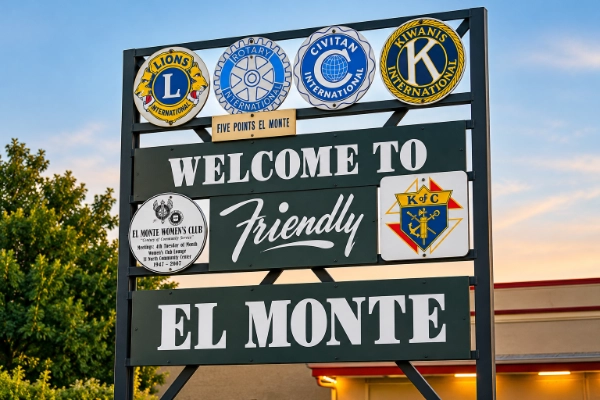
El Monte, California
When debt becomes difficult to repay, another monthly payment may not solve the underlying problem. Credit cards, medical bills, personal loans, and missed payments can accumulate until regular income is no longer enough.
Kostopoulos Bankruptcy Law helps individuals and families in El Monte evaluate Chapter 7 and Chapter 13 bankruptcy when debt, creditor collections, or lawsuits become difficult to manage.
Is your current repayment approach reducing the debt—or simply delaying a financial problem that continues to grow?
Quick Answer
When should you consider bankruptcy instead of continuing regular debt payments?
Bankruptcy may be worth investigating when income cannot realistically cover essential expenses and debt payments, balances keep growing, or creditors begin legal collection activity. Chapter 7 may discharge qualifying debt; Chapter 13 may provide a court-supervised repayment plan. The right option depends on your income, obligations, property, and financial circumstances.
Bankruptcy may be worth investigating when income cannot realistically cover essential expenses and debt payments, balances keep growing, or creditors begin legal collection activity. Chapter 7 may discharge qualifying debt; Chapter 13 may provide a court-supervised repayment plan. The right option depends on your income, obligations, property, and financial circumstances.
Debt Problems in El Monte: When Repayment Stops Being Realistic
A temporary setback is different from a debt burden that continues growing despite your efforts. Three questions can help you recognize when ordinary repayment may no longer be workable.
Affordability
After housing, food, utilities, and transportation, is enough income left to manage debt payments?
Repayment Progress
Are balances shrinking, or are interest and new borrowing keeping you in debt?
Collection Consequences
Are creditors pursuing lawsuits, garnishment, repossession, or foreclosure?
There is no single debt amount you must reach before asking about bankruptcy. Whether repayment is realistic—and what may happen if it is not—matters more than the balance alone.
When Collection Activity Becomes Serious
A past-due bill and an active collection lawsuit present different risks. Understanding the stage of collection helps identify which deadlines and legal protections may matter.
| Collection Situation | What to Consider |
|---|---|
| Repeated collection notices or calls | Which debts are involved, and are collection efforts escalating? |
| A creditor files a lawsuit | What response deadlines apply, and could bankruptcy affect the case? |
| Wage garnishment begins | How much income is withheld, and could the automatic stay apply? |
| Vehicle repossession is threatened | What is the loan status, and which options may exist before repossession? |
| Mortgage payments are overdue | Can arrears be addressed while maintaining future mortgage payments? |
Filing bankruptcy generally triggers an automatic stay that temporarily stops many creditor collection actions, including certain lawsuits and garnishments. Important exceptions and limitations apply.
Why timing matters: If legal collection is already underway, seek advice promptly. Bankruptcy does not guarantee that completed collection actions can be reversed.
What Bankruptcy May Address
Depending on eligibility and the chapter selected, bankruptcy may provide relief for several types of financial pressure:
✓ Credit cards and personal loans: Discharge of qualifying unsecured debt.
✓ Medical bills: Relief from qualifying unpaid medical debt.
✓ Collection lawsuits and garnishment: A stay of many covered collection actions.
✓ Mortgage and vehicle arrears: Possible repayment options in Chapter 13.
Not every debt can be discharged. Domestic support obligations, certain taxes, most student loans unless discharge requirements are met, and other legally specified debts may require different treatment. A consultation should identify what relief is realistically available.
Chapter 7 vs. Chapter 13 Bankruptcy
Both chapters provide legal debt relief, but they serve different financial circumstances.
Discharging Qualifying Debt
Chapter 7 Bankruptcy
Chapter 7 may be appropriate for eligible individuals whose primary difficulty involves unsecured debt they cannot realistically repay. It may discharge qualifying credit card, medical, and personal loan obligations.
Key consideration: Income, property, and California exemptions require review. Discharging personal liability does not automatically remove a valid lien on secured property.
Structured Repayment
Chapter 13 Bankruptcy
Chapter 13 generally uses a court-supervised plan lasting three to five years for qualifying people with regular income. It may allow eligible filers to address certain missed mortgage or vehicle payments.
Key consideration: A repayment plan must satisfy legal requirements and be manageable alongside required ongoing payments.
Property and Vehicle Considerations
Owning a home, vehicle, retirement account, or other asset does not automatically prevent you from filing bankruptcy—or mean the property will be lost. An attorney should review property value, equity, liens, applicable California exemptions, and the chapter under consideration.
If you are behind on a vehicle loan or mortgage, keeping the property may also depend on whether required future payments can be maintained. Chapter 13 may offer a way for some qualifying filers to address past-due secured payments. Foreclosure timing and repossession status can affect the options available.
Review property concerns before filing, not afterward. For a closer look at mortgage arrears, see
Foreclosure and Bankruptcy →
Foreclosure and Bankruptcy →
Questions to Ask Before Filing Bankruptcy
A consultation should help you evaluate what bankruptcy may accomplish and what obligations would remain.
✓ Which debts might qualify for discharge, and which may remain?
✓ Which chapter is more appropriate for my income and circumstances?
✓ How could filing affect my home, vehicle, and other property?
✓ Would the automatic stay affect an existing lawsuit or garnishment?
✓ What fees, payments, and legal requirements should I expect?
✓ Which documents will I need if I decide to file?
You do not need to select a chapter before calling. Having approximate debt balances, recent income information, basic expenses, property details, and any creditor notices can help begin the review.
Bankruptcy Resources for El Monte Residents
Eligibility, qualifying debt discharge, and property considerations.
Court-supervised repayment and certain past-due payments.
Differences between court protections and private debt programs.
Statewide information and other communities served.
Take the Next Step
Understand Your Bankruptcy Options in El Monte
If your payments are no longer reducing debt or creditors have begun taking legal action, a consultation can help clarify the protections and limitations of bankruptcy.
Kostopoulos Bankruptcy Law helps El Monte residents evaluate Chapter 7, Chapter 13, collection concerns, and property issues before deciding whether to file.
This page provides general legal information, not individualized legal advice. Bankruptcy eligibility, creditor protections, property treatment, and discharge depend on individual circumstances and applicable law. Contacting the firm does not itself create an attorney-client relationship.