
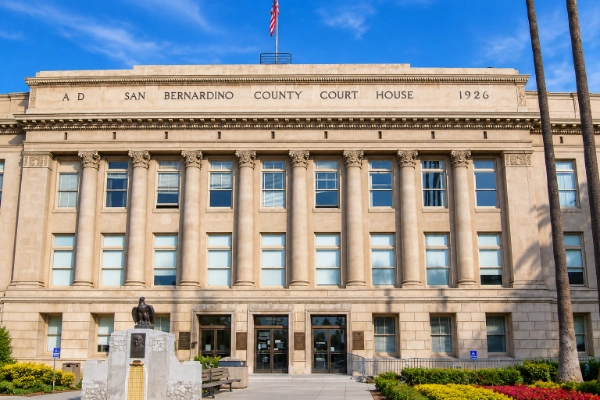
San Bernardino, California
Debt can become urgent when missed payments turn into collection lawsuits, wage garnishment, or threats against your home or vehicle. At that point, understanding what creditors can do next may be as important as finding a way to catch up.
Kostopoulos Bankruptcy Law helps individuals and families in San Bernardino evaluate Chapter 7 and Chapter 13 bankruptcy when collection activity and property concerns put financial stability at risk.
What is happening now, what could happen next, and which legal options may change the outcome?
Quick Answer
Can bankruptcy help if creditors are garnishing wages, filing lawsuits, or threatening property? Filing bankruptcy generally triggers an automatic stay that temporarily stops many collection actions. Chapter 7 may discharge qualifying unsecured debts for eligible individuals. Chapter 13 may allow qualifying people with regular income to address certain missed payments through a court-supervised plan. Exceptions apply, and filing does not guarantee that every debt will disappear or that secured property can be retained.
When Debt Moves Beyond Monthly Payment Problems
Missed payments, legal collection actions, and threats to secured property call for different responses. Identifying the stage of the problem helps clarify which information an attorney needs first.
| What Is Happening? | Why It Matters | What to Evaluate |
|---|---|---|
| Payments falling behind | Balances, interest, and fees may grow. | Whether repayment is realistic with available income. |
| Collection lawsuit | Response deadlines and the possibility of a judgment. | Court documents, deadlines, and whether bankruptcy could affect the case. |
| Wage garnishment | Income is being withheld from essential expenses. | Debt type, garnishment order, and automatic-stay exceptions. |
| Vehicle at risk | Overdue secured payments may lead to repossession. | Loan status, vehicle equity, future affordability, and timing. |
| Mortgage arrears | Escalating lender action or foreclosure may follow. | Amount overdue, sale timeline, equity, and ability to maintain payments. |
The difference is urgency. A difficult debt balance deserves review; an active legal proceeding may introduce deadlines and property risks that require faster attention.
Can Bankruptcy Stop Wage Garnishment in San Bernardino?
When part of a paycheck is withheld, less income is available for housing, food, transportation, and other necessities. For many consumer debts, a creditor generally needs a judgment before garnishing wages; some obligations follow different rules.
Filing Chapter 7 or Chapter 13 generally stops many covered garnishments through the automatic stay. Important qualifications include:
✓ Debt type: Certain domestic support enforcement actions have exceptions.
✓ Amounts already withheld: Filing does not automatically return previously collected money.
✓ Previous filings: Recent bankruptcy cases may limit stay protection.
✓ Implementation: A covered garnishment may still require prompt notice to the employer or creditor.
Bring the garnishment notice and related judgment to the consultation. The attorney can assess the particular order and any immediate deadlines.
What if a Creditor Has Filed a Collection Lawsuit?
A collection lawsuit introduces deadlines and the possibility of a judgment. Bankruptcy may temporarily stop many lawsuits involving covered debts, and the underlying obligation may qualify for discharge depending on the case.
However, discharging personal liability does not automatically remove every judgment lien. Certain proceedings and debts also fall under exceptions, and creditors may request relief from the automatic stay.
Do not ignore a summons or judgment. Have the paperwork and response deadlines reviewed promptly rather than assuming a future filing will resolve every issue.
Vehicle Debt, Mortgage Arrears, and Property Concerns
Secured debts require more than a discharge analysis. If keeping property matters, the attorney needs to review lender rights, equity, missed payments, and what ongoing payments you can maintain.
If You Are Behind on Vehicle Payments
Your options depend on how far behind the loan is, the vehicle’s value, whether repossession has occurred, and future affordability. Chapter 13 may allow some qualifying filers to address past-due vehicle payments through a repayment plan. Chapter 7 generally provides a temporary stay but does not eliminate a valid vehicle lien merely because the personal debt is discharged.
Timing matters: A vehicle still in your possession may present different options from one already repossessed.
If Mortgage Payments Are Overdue
Chapter 13 may help an eligible homeowner catch up on certain mortgage arrears over time while maintaining required ongoing payments. Bankruptcy cannot be assumed to reverse a completed foreclosure sale or make an unaffordable mortgage sustainable. For a deeper look at foreclosure timing, see Stop Foreclosure →
How California Exemptions May Affect Property
Owning a home, vehicle, savings, or retirement account does not automatically prevent bankruptcy. The value and equity of property, liens, applicable California exemptions, and the chapter filed determine which protections may apply. These factors should be reviewed before filing.
Chapter 7 vs. Chapter 13: Which Option May Fit?
Both chapters may address serious debt problems, but the choice depends on eligibility, income, what you owe, and whether keeping property or catching up on missed payments is a primary goal.
Discharging Qualifying Debt
Chapter 7 Bankruptcy
Chapter 7 may fit eligible individuals whose primary difficulty is unsecured debt they cannot realistically repay, such as qualifying credit card balances, medical bills, and personal loans.
Income eligibility, nonexempt assets, exemptions, and secured property must be reviewed.
Decision question: Would discharging qualifying debt meaningfully resolve the problem, and what could happen to my property?
Structured Repayment
Chapter 13 Bankruptcy
Chapter 13 may fit qualifying individuals with regular income who need a court-supervised plan, generally lasting three to five years, to address certain debts and missed payments.
It may help address qualifying mortgage or vehicle arrears, but plan and ongoing payments must remain affordable.
Decision question: Can I maintain the repayment plan and necessary ongoing payments while addressing the property risks?
What Happens After You File Bankruptcy?
Filing starts the bankruptcy case; it does not complete it. These stages help distinguish immediate creditor protection from the work required to receive a discharge.
Step 1
Filing and Creditor Notice
Most individual filers must obtain approved credit counseling beforehand. Filing the petition generally triggers the automatic stay, subject to exceptions. Creditors receive notice; an active garnishment or lawsuit may need additional follow-up.
Step 2
Trustee Review and 341 Meeting
The debtor provides required financial disclosures. The bankruptcy trustee reviews the case, and the debtor ordinarily attends a meeting of creditors to answer questions under oath.
Step 3
Chapter-Specific Requirements
In Chapter 7, the trustee reviews exemptions and possible nonexempt assets. In Chapter 13, the debtor proposes a plan, makes required payments, and works through confirmation and completion.
Step 4
Education and Possible Discharge
A separate financial-management course is generally required. An eligible Chapter 7 discharge may occur within several months; Chapter 13 discharge generally follows completion of the plan and other requirements.
The automatic stay, the bankruptcy process, and the discharge are different protections at different stages. Certain debts may survive discharge, and valid liens can remain against property.
Where Are San Bernardino Bankruptcy Cases Handled?
San Bernardino County is served by the Riverside Division of the United States Bankruptcy Court for the Central District of California. The court provides a filing-location search to confirm which division applies to a particular residence.
Riverside Division — U.S. Bankruptcy Court
3420 Twelfth Street
Riverside, CA 92501
Riverside, CA 92501
This is the federal courthouse, not a Kostopoulos Bankruptcy Law office.
Questions to Ask Before Filing Bankruptcy
When collection activity is underway, a consultation should clarify urgency, legal protection, property consequences, and obligations that would continue.
✓ What needs attention now? Are there lawsuit, garnishment, sale, or repossession deadlines?
✓ What would the stay cover? Are there exceptions or limits involving my situation?
✓ Which debts may be discharged? What would I still owe?
✓ Which chapter may fit? How do income, debts, and plan obligations affect the choice?
✓ Can I retain important property? How do equity, liens, exemptions, and payments apply?
✓ What happens next? What are the fees, documents, meetings, and deadlines?
What to Bring to a Bankruptcy Consultation
You do not need every document organized before calling. For an initial review, these details are especially useful:
✓ Recent income information and monthly living expenses.
✓ Credit cards, loans, medical debts, and collection balances.
✓ Mortgage and vehicle statements, including missed payments.
✓ Home, vehicle, savings, retirement, and other property details.
✓ Summons, judgments, garnishment or repossession notices.
✓ Foreclosure notices and any scheduled sale dates.
Bring urgent legal notices even if your other records are incomplete. A deadline may matter more than having exact debt balances at the first meeting.
Bankruptcy Resources for San Bernardino Residents
Explore more detail about the bankruptcy chapter or collection issue most relevant to your situation.
Debt discharge, eligibility, and property review.
Repayment plans and certain overdue secured payments.
What filing may mean for litigation and judgments.
Mortgage arrears, sale timing, and legal options.
For more bankruptcy topics, visit the Bankruptcy Learning Center →
Take the Next Step
Understand Your Options Before Collection Problems Escalate
If creditors are garnishing your wages, pursuing a lawsuit, threatening repossession, or taking action against your home, a legal review can help clarify available protections and immediate priorities.
Kostopoulos Bankruptcy Law helps San Bernardino residents evaluate Chapter 7, Chapter 13, secured debts, and creditor collection concerns through a free, confidential consultation.
This page provides general legal information, not individualized legal advice. Bankruptcy eligibility, creditor protections, property treatment, and discharge depend on individual circumstances and applicable law. Contacting the firm does not itself create an attorney-client relationship.