

Does Bankruptcy Get Rid Of HOA Fees In California?
Falling behind on HOA fees is stressful enough. Add in the thought of filing bankruptcy, and the whole situation can feel super complicated.
Many California homeowners assume that once they file, every HOA bill just disappears along with credit cards and medical debt. Unfortunately, it doesn’t work quite that smoothly.
Some fees can be wiped out, but others will keep showing up as long as your name is tied to the house.
In this post, we’ll shed some light on if bankruptcy gets rid of HOA fees in California.
Does Bankruptcy Get Rid Of HOA Fees?
Yes. If you’ve fallen behind on HOA payments before filing, bankruptcy can usually wipe those out. That applies in both Chapter 7 and Chapter 13 cases.
In Chapter 7, your unpaid HOA dues are treated like unsecured debt.
Once you get your discharge, those old HOA fees are gone. You no longer owe them personally.
In Chapter 13, the setup is different because you’ll make monthly payments through a repayment plan. Those overdue HOA fees are bundled into the plan.
At the end of your case, anything left unpaid is discharged.
Also Read: What Happens To Inherited Property In Bankruptcy?
So in short, filing bankruptcy in California can take care of HOA debt you’ve already racked up. That’s a big relief for many homeowners who are drowning in back payments.
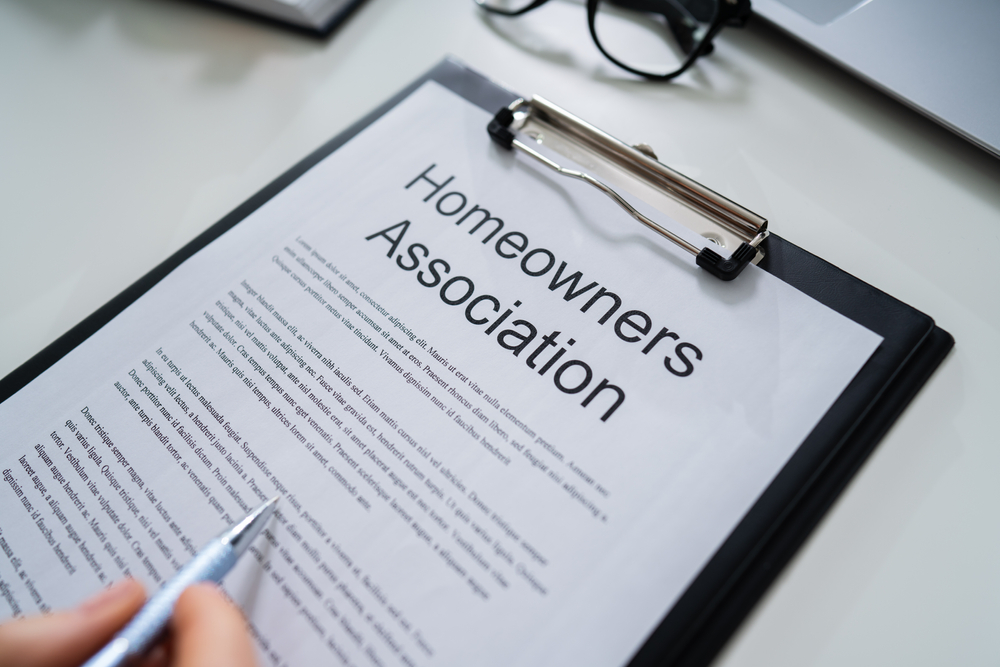
But the story doesn’t end there….
What About New HOA Fees?
Here’s the catch: bankruptcy only clears out the fees from before you filed. Any HOA fees that come due after your filing date are a brand-new debt.
Bankruptcy doesn’t touch them.
Everything before the filing date can be erased, but everything after is your responsibility. That’s true even if you’re no longer living in the house.
As long as your name is on the deed, the HOA can keep charging you.
Imagine this: you file for Chapter 7 in May. The HOA bills you for June, July, and August.
Even if you’re in the middle of bankruptcy, those new bills are yours to pay. The HOA doesn’t care that you’re in the process of giving up the property. They see your name on the title, and that’s all that matters to them.
This surprises a lot of people. They assume once they file, all their HOA troubles disappear.
Also Read: How Does Bankruptcy Affect Independent Contractors?
The “Surrender” Problem In California
You might be thinking, “Okay, I’ll just surrender the property in my bankruptcy and walk away.” That seems logical, right? Unfortunately, it’s not that simple.
In bankruptcy, “surrender” means you’re telling the court and the lender that you don’t plan to keep the house. But until the lender actually forecloses and takes ownership, you’re still on the hook for HOA fees.
Banks don’t always move fast in California. Foreclosure can take months. Sometimes even years.
During that whole time, the HOA keeps billing you.
It creates this strange in-between stage. You’ve already decided you’re done with the property, but legally, you’re still the owner. And as the owner, you’re stuck with the assessments.
It feels unfair, but that’s how the law is set up.
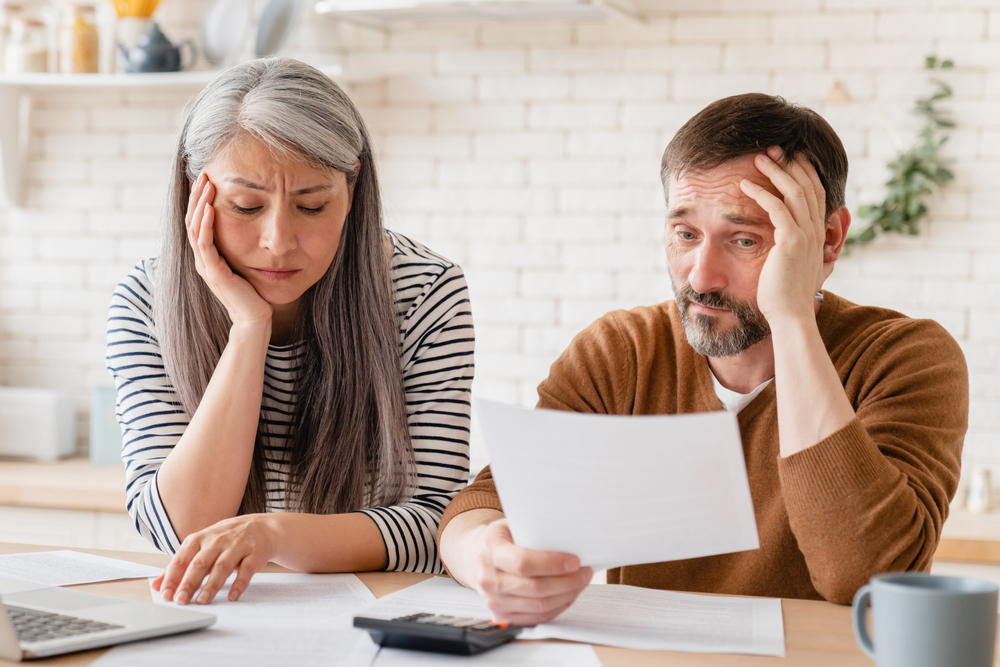
This “limbo” stage is one of the biggest headaches for homeowners going through bankruptcy. You’re trying to move on, but the HOA keeps dragging you back in with more fees.
Also Read: How Long After Bankruptcy Can You Buy a House?
HOA Liens On Your Property
Another wrinkle to think about is liens.
In California, HOAs have the power to record a lien against your property when you fall behind. That lien secures the unpaid assessments.
Now, this is where bankruptcy gets complicated. Your personal obligation to pay those old fees might get wiped out. But the lien itself usually sticks to the property.
So let’s say you file Chapter 7 and discharge the debt. You don’t owe the HOA personally anymore. But if you want to keep the home, that lien doesn’t just vanish. It has to be dealt with (either paid off or negotiated) before you can refinance or sell.
This is one of those fine-print details that often catches people off guard.
Bankruptcy is powerful, but it doesn’t erase every type of lien attached to real estate.
What California Homeowners Should Keep In Mind
By now you can see that HOA fees don’t vanish as cleanly as other debts in bankruptcy. There are a few key takeaways to keep in mind if you’re thinking about filing:
- Past-due HOA fees from before your filing date can usually be discharged.
- Any fees that pop up after filing are yours until the lender officially takes the property.
- HOA liens can survive bankruptcy and complicate things if you keep the home.
What this really means is that timing matters. The day you file creates a line that divides old debt from new.
If you’re still in the property months after filing, be ready for those new bills.
It also means planning matters. Some homeowners rush to file without realizing they’ll still be responsible for HOA fees during the surrender process.
For people who want to stay in their home, knowing about liens is just as important. Clearing them up is part of the long-term plan if you want to refinance or sell.
Bottom Line
Bankruptcy can get rid of past-due HOA fees in California, but it doesn’t wipe away everything.
Any new fees that show up after filing will stick with you until your name is off the title. And liens from old assessments can linger on the property, even after your personal liability is gone.
It’s not all bad news. Bankruptcy is still a powerful tool for dealing with debt. But when HOAs are involved, it pays to know exactly how the rules work.
That way, you’re not caught off guard by surprise bills months after filing.
If you’re juggling HOA fees and other debts, talk with a bankruptcy attorney before making moves. A little strategy upfront can save you a lot of stress down the road.